March 9, 2026
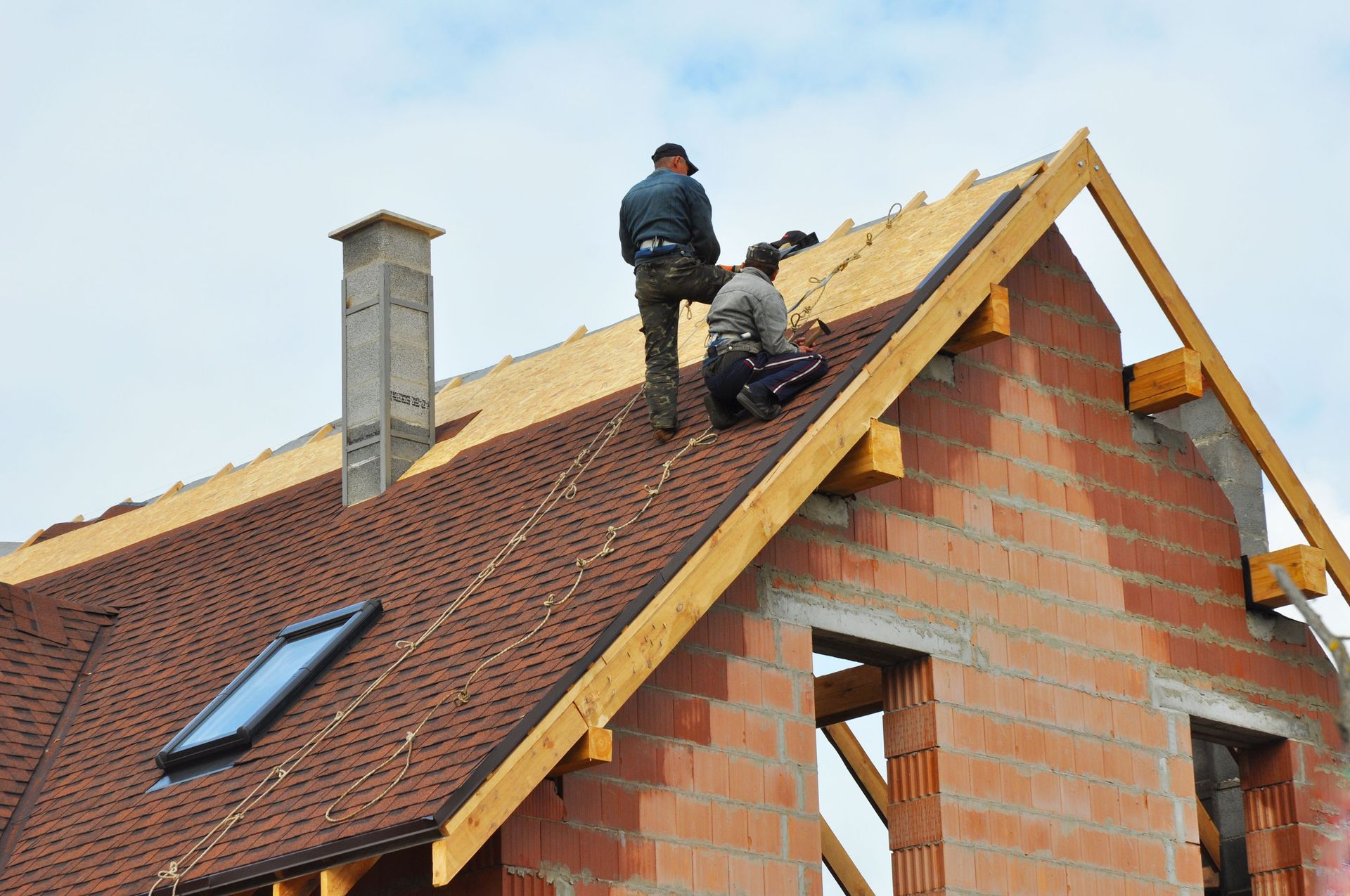
Choosing the right roofing material for your home is one of the most important decisions you can make as a homeowner. Your roof is your home’s first line of defense against the elements, protecting everything beneath it from wind, rain, snow, heat, and debris. Beyond protection, your roof plays a major role in curb appeal, energy efficiency, and long-term maintenance costs. With so many materials available, each offering unique advantages and limitations, the selection process can feel overwhelming. Climate, architectural style, budget, and long-term goals all influence what option makes the most sense for your property. Working with an experienced residential roofer can simplify this process by providing guidance based on your location, home design, and performance expectations. A knowledgeable residential roofer understands how different materials behave in various climates and can recommend solutions that balance durability, aesthetics, and cost.
Understanding Asphalt Shingles and Their Practical Benefits
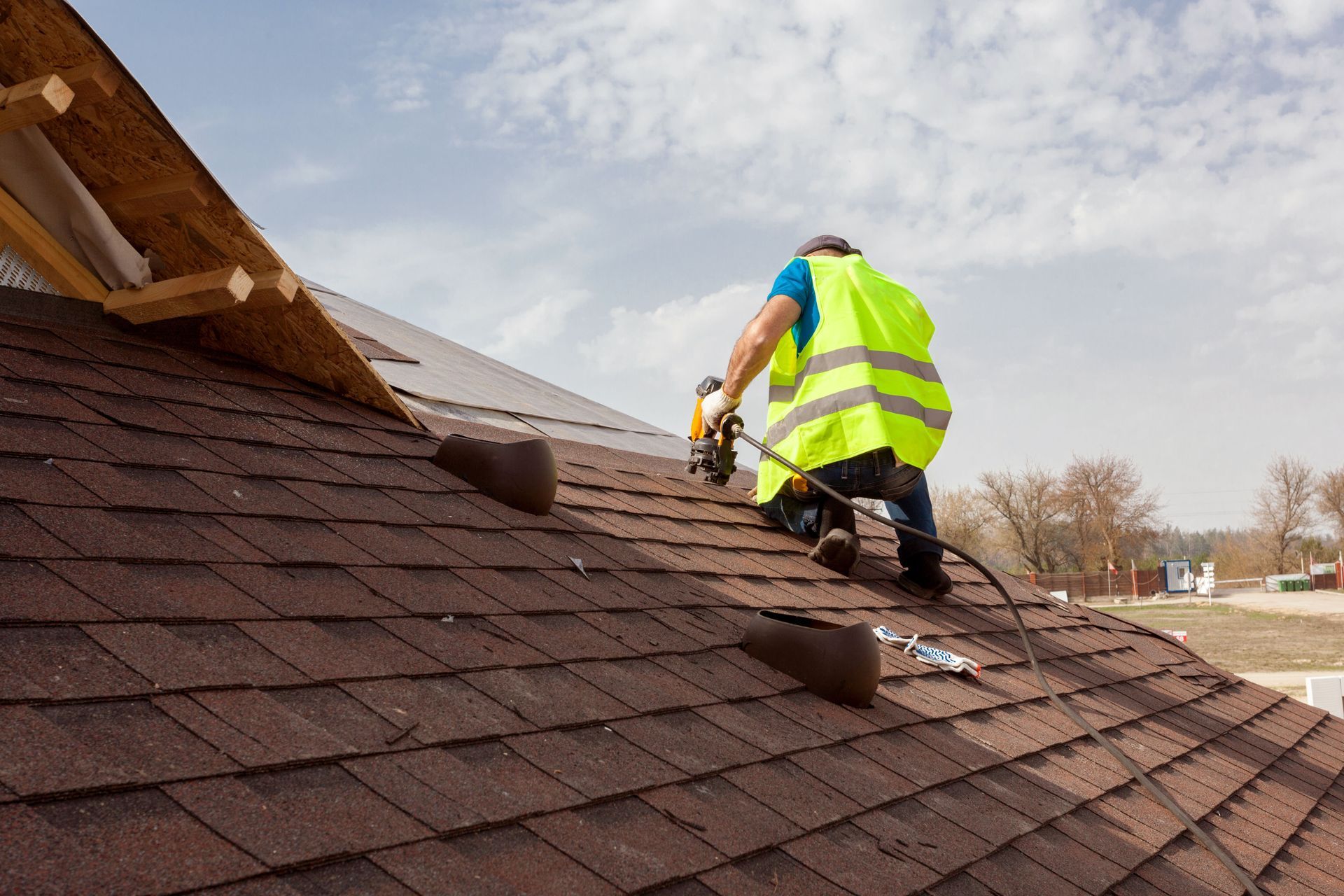
Asphalt shingles remain the most widely used roofing material across the United States due to their affordability, versatility, and ease of installation. They are available in a wide range of colors and styles, allowing homeowners to match nearly any architectural design. Asphalt shingles consist of a fiberglass or organic mat coated in asphalt and topped with protective granules, which provide UV resistance and added durability. This construction offers dependable protection in moderate climates and makes repairs relatively straightforward.
A residential roofer often recommends asphalt shingles for homeowners seeking a cost-effective and reliable solution. These shingles typically last a few decades when properly installed and maintained. Their flexibility allows them to adapt well to changing temperatures, while newer impact-resistant options provide improved defense against wind and hail. In addition, modern “cool roof” shingles reflect more sunlight, helping reduce heat absorption and lowering cooling costs during warmer months.
Despite their advantages, asphalt shingles do have limitations. They generally have a shorter lifespan than materials such as metal or tile, and they can be more susceptible to wind uplift during severe storms. Regular inspections and maintenance are essential to prevent issues such as moss growth, granule loss, and water infiltration. Still, when properly installed by a qualified residential roofer, asphalt shingles provide a practical balance of performance, appearance, and affordability.
Exploring Metal Roofing for Strength and Longevity
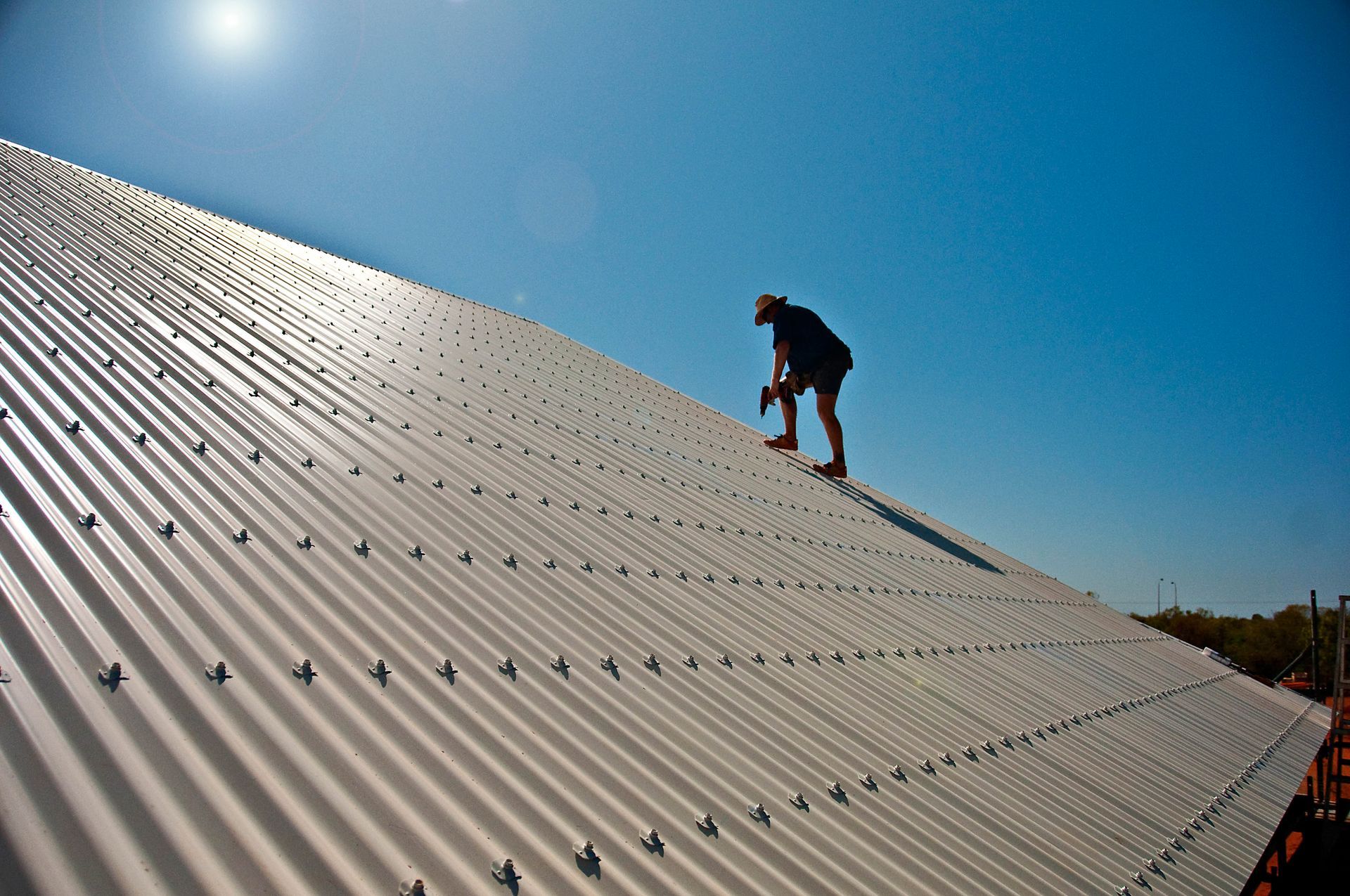
Metal roofing has become increasingly popular among homeowners seeking durability, energy efficiency, and long-term value. Available in materials such as steel, aluminum, zinc, and copper, metal roofs offer exceptional resistance to wind, fire, and impact. When installed correctly, a metal roof can last between 40 and 70 years, far exceeding the lifespan of traditional shingles.
From an environmental standpoint, metal roofing stands out as one of the most sustainable options available. Most metal roofs contain significant recycled content and are fully recyclable at the end of their life cycle. Their durability reduces the need for frequent replacements, minimizing landfill waste. Although the upfront cost is higher than asphalt shingles, the long-term savings in maintenance, energy efficiency, and replacement expenses often offset the initial investment. For homeowners focused on long-term performance and sustainability, metal roofing represents a compelling option.
Evaluating Clay and Concrete Tiles for Timeless Appeal
Clay and concrete tiles have been used for centuries, valued for their beauty, durability, and resistance to extreme weather. These tiles are particularly common in Mediterranean, Spanish, and southwestern architectural styles, where their curved shapes and warm tones enhance visual appeal. Modern manufacturing techniques now offer a wide range of colors, profiles, and finishes, allowing homeowners to achieve both traditional and contemporary looks.
A residential roofer must carefully assess structural capacity before installing tile roofing, as these materials are significantly heavier than asphalt or metal. Homes may require reinforcement to support the added weight, which can increase installation costs. However, once installed, tile roofs can last 50 to 100 years with minimal maintenance, making them one of the longest-lasting roofing options available.
Tile roofs offer excellent resistance to fire, insects, rot, and harsh weather conditions. Their natural thermal mass helps regulate indoor temperatures, improving energy efficiency and indoor comfort. Although the upfront investment is higher, homeowners often benefit from increased property value and reduced long-term maintenance expenses. For those seeking a combination of elegance, durability, and energy efficiency, clay and concrete tiles deliver lasting value.
Appreciating Wood Shakes and Shingles for Natural Character
Wood shakes and shingles are prized for their natural beauty, warmth, and rustic charm. Typically crafted from cedar, redwood, or pine, these materials offer rich textures and distinctive grain patterns that enhance architectural character. Wood shakes provide a rugged, handcrafted appearance, while wood shingles deliver a more refined and uniform look.
A skilled residential roofer is essential for proper installation, as wood roofing requires precise spacing and alignment to ensure adequate ventilation and water runoff. According to This Old House, when installed and maintained correctly, cedar shake roofs can last up to 50 years. Over time, wood naturally weathers to a silver-gray patina, adding to its visual appeal while preserving structural integrity.
Fire resistance has traditionally been a concern with wood roofing, but modern fire-retardant treatments significantly improve safety. Many treated wood products achieve Class A or Class B fire ratings, making them suitable for a wider range of locations. Regular maintenance, including cleaning and protective treatments, is necessary to prevent mold, mildew, and insect damage. For homeowners who value natural materials and distinctive aesthetics, wood roofing offers a unique and rewarding option.
Comparing Synthetic Roofing Materials for Innovation and Performance
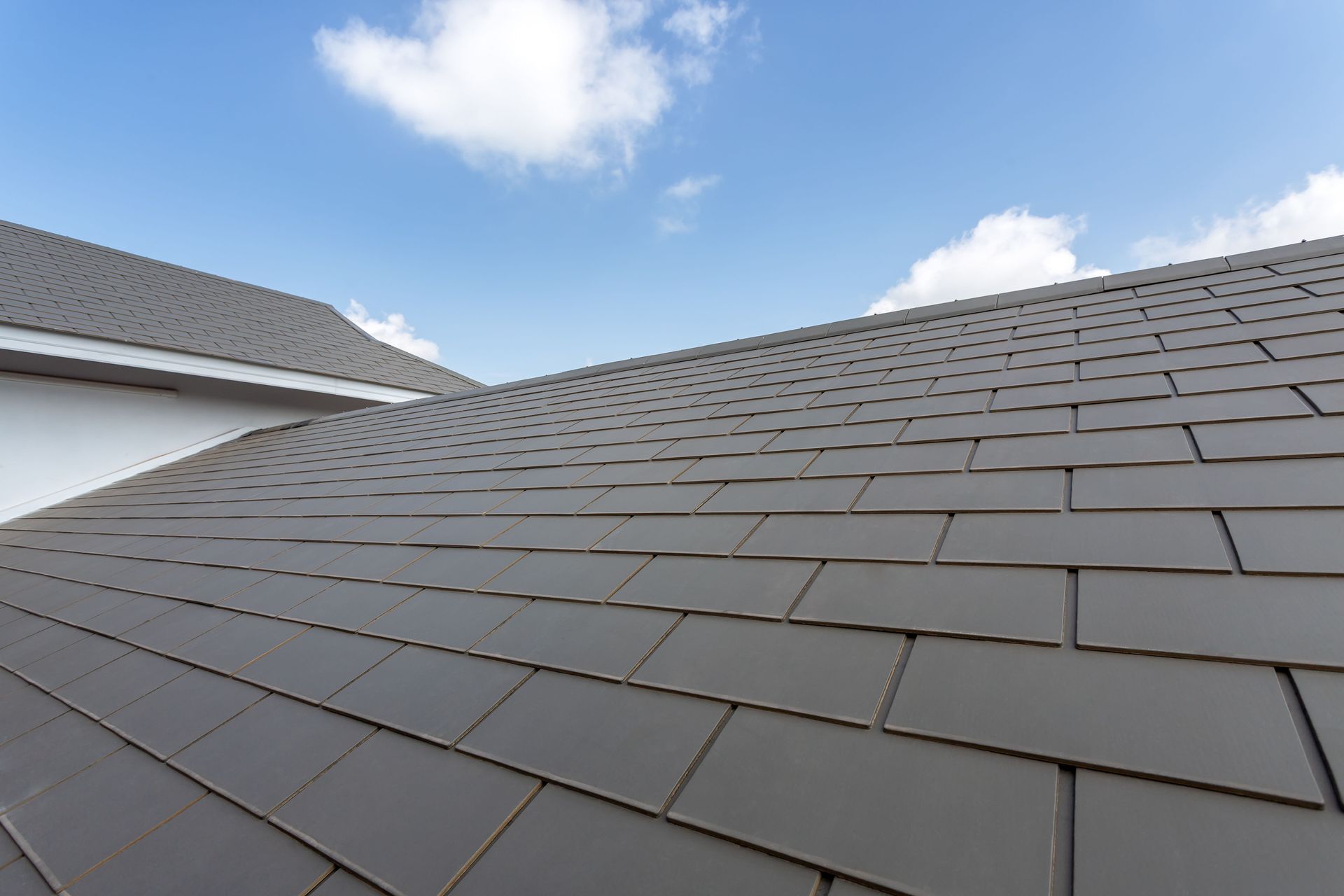
Synthetic roofing materials have gained traction as homeowners seek durable, lightweight, and low-maintenance alternatives to traditional products. Made from rubber, plastic, or polymer composites, these materials replicate the appearance of slate, wood, and tile while offering enhanced resistance to weather, impact, and fading. Advanced manufacturing allows for consistent quality, color stability, and improved performance across a wide range of climates.
Many synthetic products incorporate recycled content and are themselves recyclable, contributing to sustainability efforts. Although their upfront cost may exceed asphalt shingles, their long lifespan and reduced maintenance requirements often provide long-term financial benefits. As technology continues to evolve, synthetic roofing materials are becoming an increasingly attractive option for homeowners seeking performance, style, and environmental responsibility.
Balancing Cost, Climate, and Long-Term Value
Selecting the right roofing material requires careful consideration of cost, climate, durability, and long-term value. According to industry research, homeowners who invest in higher-quality roofing materials can see significant improvements in energy efficiency and resale value, with some upgrades recouping up to 60% of their cost at resale. This highlights the importance of viewing roofing not just as an expense, but as a long-term investment in your home.
A trusted
residential roofer can evaluate local weather patterns, building codes, and architectural requirements to recommend the most appropriate materials. In colder climates, materials with superior insulation and snow-shedding capabilities may be preferred, while hotter regions benefit from reflective and heat-resistant roofing systems. Budget also plays a major role, as homeowners must balance upfront costs with long-term maintenance and replacement expenses.
Choosing the right roofing material is a critical step in protecting your home, enhancing its appearance, and ensuring long-term comfort and efficiency. Whether you opt for the affordability of asphalt shingles, the durability of metal, the elegance of tile, the charm of wood, or the innovation of synthetic materials, each option offers unique advantages. Understanding these differences allows homeowners to make informed decisions that suit their climate, budget, and architectural style. By prioritizing quality, durability, and professional craftsmanship, homeowners can enjoy peace of mind knowing their roof is built to withstand the elements and enhance their property’s value. For expert guidance and dependable results, contact Legacy Contracting Group, Inc. today to start your roofing project with confidence.