March 6, 2026
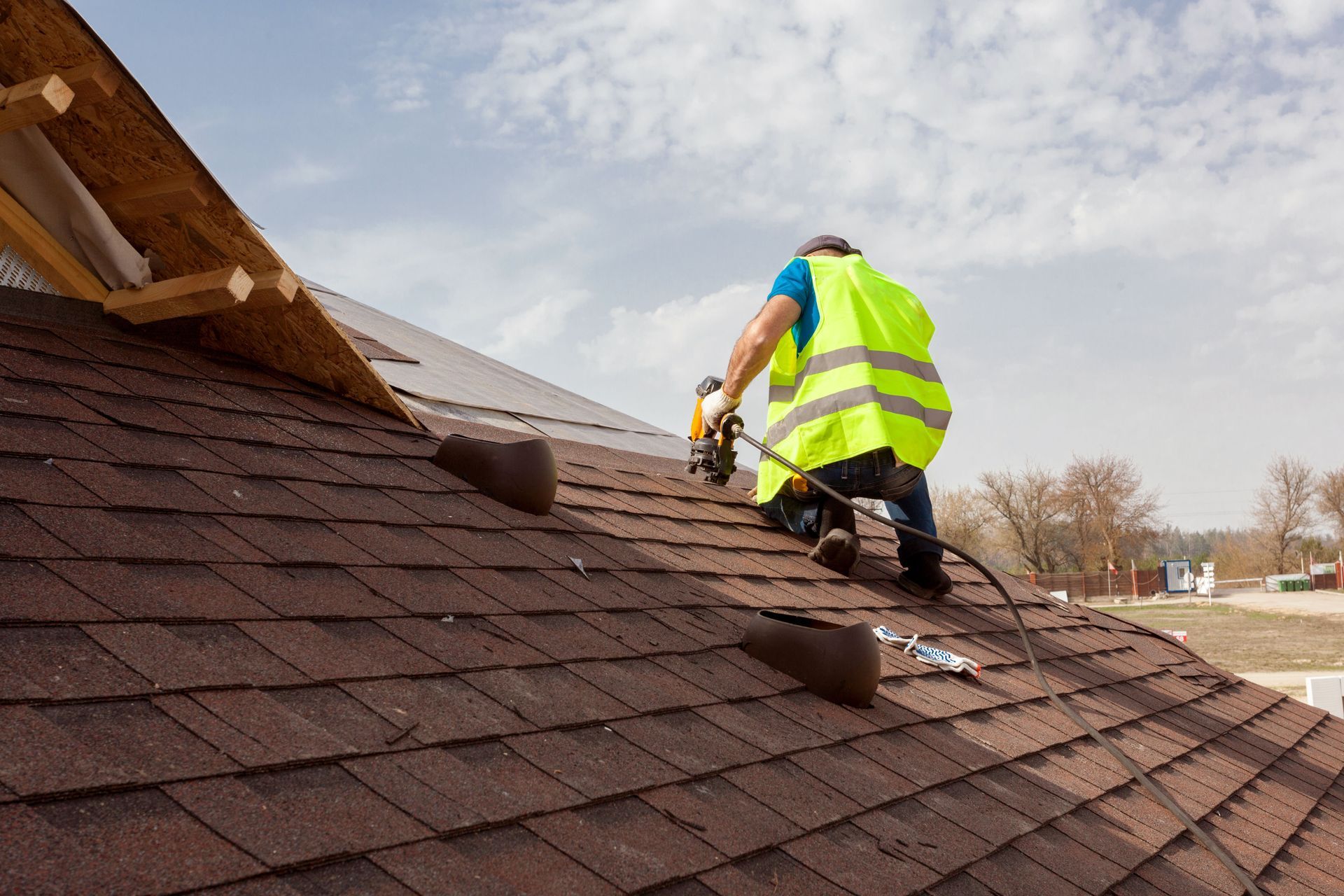
A home’s roof does far more than protect against rain and wind—it also plays a major role in determining how much you spend on energy each month. When a roof begins to age, its materials weaken, ventilation becomes less effective, and insulation deteriorates. All these issues force your HVAC system to work harder, ultimately raising your heating and cooling bills. A roof replacement is one of the most effective ways to improve energy efficiency, reduce strain on your HVAC system, and maintain comfortable indoor temperatures year-round. According to Roofing Contractor, reroofing accounts for about 80% of residential roofing demand, demonstrating how many homeowners recognize the long-term benefits of investing in a new roof. With the support of a professional residential roofing service, you can experience noticeable energy savings while enhancing the overall performance of your home.
Energy loss happens gradually, making it easy to overlook. Many homeowners don’t realize how much conditioned air escapes through an old or damaged roof. Poor attic ventilation, cracked shingles, deteriorated underlayment, and insufficient insulation all contribute to temperature fluctuations that drive up monthly utility costs. A new roof addresses these problems by incorporating modern materials and installation techniques designed to maximize efficiency. Below are the key ways a new roof can help lower your energy bills and improve comfort throughout your home.
Improved Insulation for Better Temperature Control
Insulation is one of the most important components in preventing heat transfer between your attic and the living spaces in your home. Over time, old roofs allow insulation to compress, shift, or absorb moisture, which significantly reduces its effectiveness. When insulation fails, warm air escapes during the winter and cool air leaks out during the summer, forcing your HVAC system to run more frequently.
A new roof gives homeowners the opportunity to upgrade insulation materials and ensure proper installation. Advanced insulation products help maintain consistent indoor temperatures, reducing the workload on heating and cooling systems. By improving thermal resistance, you minimize the amount of energy needed to keep your home comfortable. This improvement alone often leads to noticeable savings on utility bills within the first year.
Better Ventilation to Reduce Heat Buildup
Attic ventilation is crucial for maintaining energy efficiency. Without proper airflow, hot air becomes trapped inside the attic during warm months. This heat radiates downward into the living areas, making air conditioning units work harder to cool the home. Poor ventilation can also contribute to moisture buildup, which weakens insulation and roofing materials.
A new roof installed by a professional residential roofing service ensures your home receives balanced intake and exhaust ventilation. This system allows hot air to escape while drawing in cooler air, keeping attic temperatures manageable. When attic heat is controlled, your AC system runs more efficiently, lowering energy costs and extending the lifespan of your HVAC equipment.
Improved Heat Reflection
Traditional roofing materials tend to absorb a large amount of heat from the sun, particularly darker-colored shingles. This trapped heat raises indoor temperatures and increases cooling costs. Modern energy-efficient shingles, however, are designed to reflect more sunlight and absorb less heat.
These reflective shingles—sometimes referred to as “cool roofs”—help reduce heat transfer into your home. This lowers indoor temperatures, decreases reliance on air conditioning, and creates a more comfortable environment during hot weather. Many homeowners experience a significant drop in summer energy bills simply by switching to more reflective roofing materials.
Enhanced Protection From Air Leaks
Over time, roofs develop small gaps, cracks, and openings where air can escape. These leaks compromise energy efficiency and allow conditioned air to drift outside. Even minor air leaks can lead to higher energy bills, greater wear on HVAC equipment, and inconsistent indoor temperatures.
A new roof provides a tight, well-sealed barrier that prevents air leakage. Updated underlayment, flashing, and shingle alignment all work together to create a strong thermal envelope. With fewer air leaks, your heating and cooling systems operate more efficiently, reducing the amount of energy required to maintain desired temperatures.
Enhanced Efficiency With Modern Underlayment
Underlayment—the protective layer beneath roofing materials—plays a key role in insulation and moisture control. Older homes often have felt underlayment, which provides minimal thermal resistance and deteriorates faster over time. Modern underlayments are engineered for better performance, offering superior waterproofing and enhanced energy efficiency.
When you install a new roof, you gain the advantage of advanced underlayment technology. This additional layer strengthens temperature regulation and protects the home from moisture-related issues, such as mold or rotting wood, which further compromise energy performance. Improved underlayment creates a durable and energy-smart roofing foundation.
Reduced Strain on Heating and Cooling Systems
A roof that no longer performs well forces your HVAC system to compensate by running longer cycles. This increased demand not only raises energy bills but also accelerates wear on the equipment, potentially leading to more repairs and a shorter system lifespan.
By installing a new roof that improves insulation, ventilation, and heat reflectivity, your HVAC system can operate more efficiently. It no longer needs to fight against extreme attic temperatures or uncontrolled heat transfer. As your system runs more smoothly, you benefit from lower energy consumption and fewer mechanical issues over time.
Better Moisture Control for Long-Term Savings
Moisture infiltration is another issue that negatively impacts energy efficiency. When moisture enters the attic or roofing structure, insulation becomes less effective, increasing heating and cooling costs. Damp insulation cannot regulate temperature properly, causing your HVAC system to work harder year-round.
A new roof includes modern moisture-barrier materials that prevent water intrusion and protect insulation performance. By keeping insulation dry and functional, the roof maintains consistent thermal control, helping lower monthly energy bills and preventing costly water damage repairs.
Improved Comfort Throughout the Home
Temperature inconsistencies—such as hot second floors or drafty rooms—are often signs of an aging or inefficient roof. These uncomfortable variations cause homeowners to increase heating or cooling to compensate, wasting energy in the process.
A new roof helps stabilize indoor temperatures by eliminating heat transfer issues and improving overall insulation. When your home remains consistently comfortable, you no longer need to adjust your thermostat frequently. In turn, your energy usage becomes more efficient and predictable.
Increased Home Value Through Energy Efficiency
Energy efficiency is a top selling point for modern homebuyers. A new, energy-efficient roof increases your home’s value by providing better insulation, reduced utility costs, and updated materials designed to last. Buyers appreciate homes with lower monthly expenses, and an efficient roofing system is a major advantage in the real estate market.
By upgrading to a new roof, you make a long-term investment in your property’s performance and marketability. The savings you gain through reduced energy bills often offset the cost of installation over time, making it a financially smart choice.
Lowering your home’s energy bills begins with improving the structure responsible for most heat gain and loss: the roof. A new roof enhances insulation, ventilation, reflectivity, and moisture control, all of which contribute to more efficient heating and cooling. When you’re ready to improve your home’s comfort and reduce monthly utility expenses, a trusted residential roofing service can guide you through the best options for your property. Legacy Contracting Group, Inc is here to help you choose energy-efficient materials, upgrade your roof with expert craftsmanship, and enjoy long-term savings. Contact our team today to schedule your consultation and start maximizing your home’s energy performance.