April 7, 2026
Choosing the right roofing material is one of the most important decisions in residential roofing. The roof protects your home, influences energy efficiency, and contributes to overall curb appeal. With so many materials available, understanding the differences in durability, cost, maintenance, and environmental impact can help homeowners make a smart investment.
Residential roofing projects should balance upfront cost with long-term value. Some materials are budget-friendly but require more frequent replacement, while others cost more initially but last decades longer. Climate, home design, and personal preferences also play a major role in selecting the best roofing option.
This guide compares the most common roofing materials used in residential roofing today. By evaluating each option’s strengths and weaknesses, homeowners can confidently choose a roofing system that fits both their budget and lifestyle.
1. Asphalt Shingles
1.1 Advantages of Asphalt Shingles
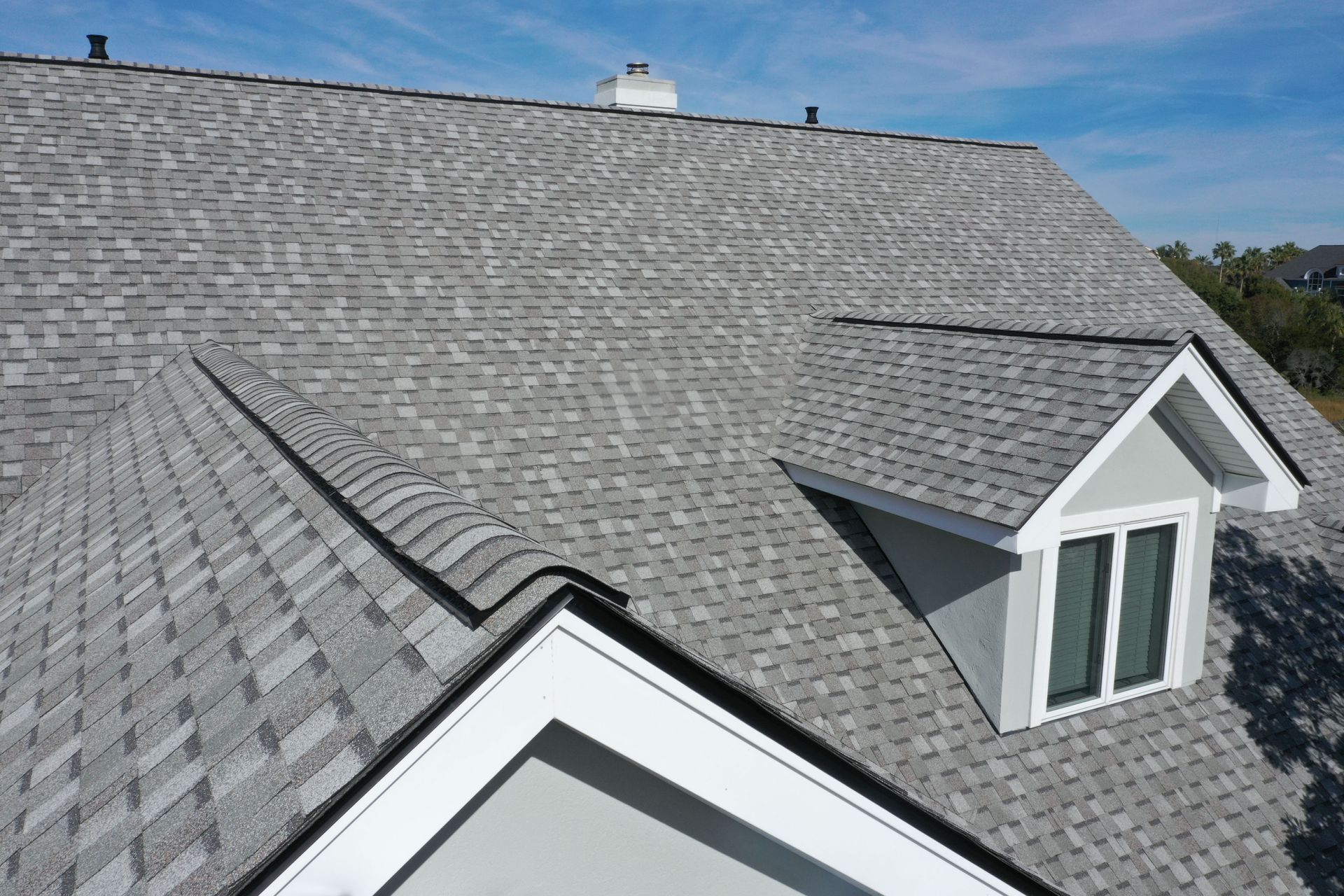
Asphalt shingles remain one of the most widely used materials in residential roofing due to their affordability and accessibility. They are available in many colors and styles, making it easy to match different home designs. Their lightweight nature also simplifies installation, helping reduce labor costs.
These shingles perform well in a variety of climates and are effective at shedding water, which helps prevent leaks. Many options also offer decent fire resistance and sound insulation, making them a practical choice for everyday residential roofing needs.
Energy-efficient versions with reflective coatings are available, helping reduce heat absorption. This makes asphalt shingles a flexible option for homeowners looking to balance cost and performance.
1.2 Disadvantages of Asphalt Shingles
Despite their popularity, asphalt shingles typically have a shorter lifespan than other materials. Most last between 15 and 30 years, which can lead to more frequent replacements over time. They are also more vulnerable to extreme weather such as high winds or hail.
Granule loss is another common issue that can affect both appearance and performance. In addition, asphalt shingles are not the most environmentally friendly option, as they are difficult to recycle and often end up in landfills.
For homeowners focused on long-term sustainability, these limitations may influence their residential roofing decision.
1.3 Cost and Lifespan
Asphalt shingles are among the most cost-effective materials in residential roofing. Their lower installation cost makes them accessible to many homeowners, especially for larger projects.
However, their shorter lifespan means future replacement costs should be considered. While they provide strong value upfront, long-term expenses may add up compared to more durable materials.
1.4 Installation and Maintenance
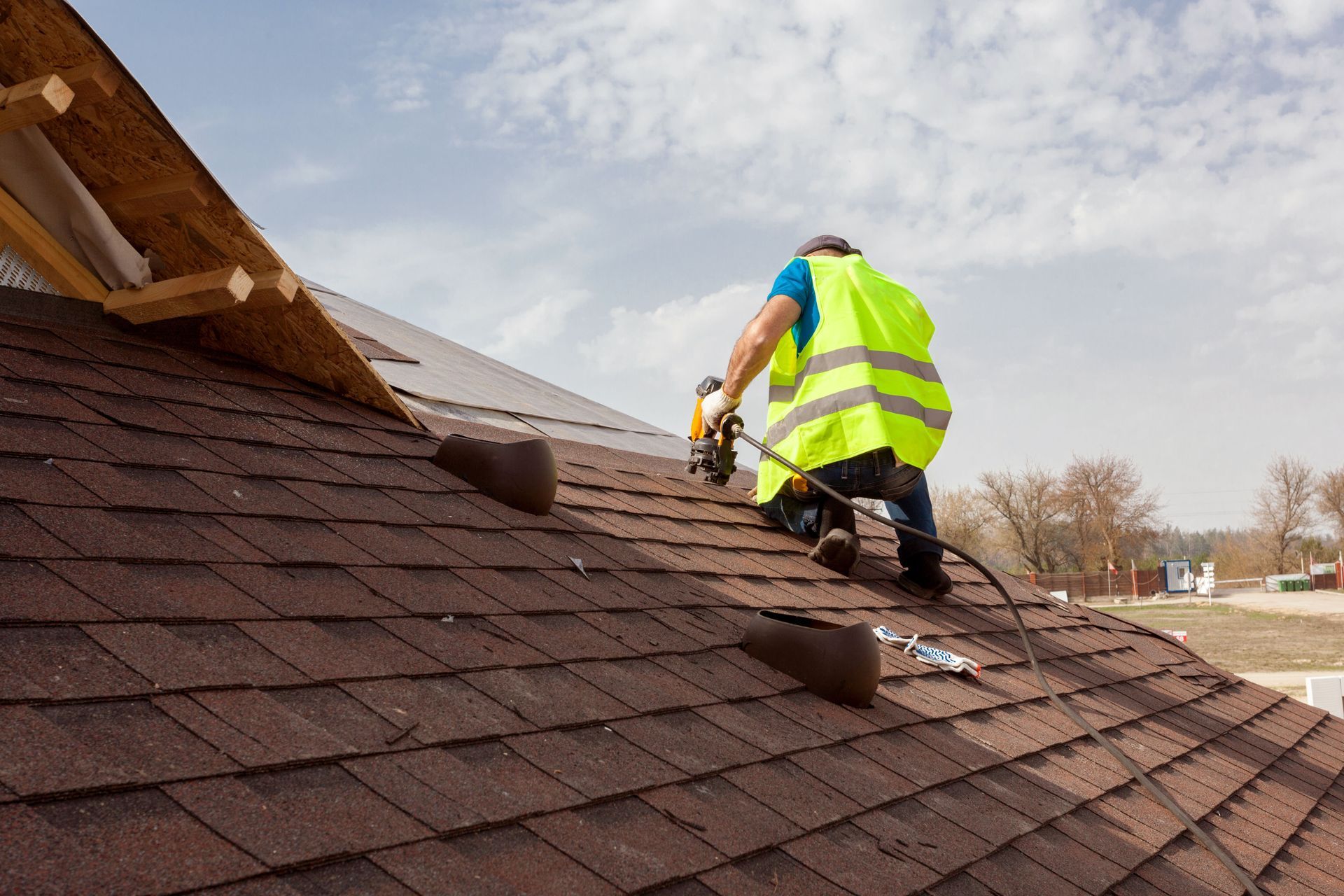
The installation process for asphalt shingles is relatively quick and straightforward. Professional installation is still recommended to ensure proper alignment and sealing, which helps prevent leaks and premature wear.
Routine maintenance, including inspections and cleaning, can help extend the lifespan of asphalt roofs. Proper care plays an important role in maximizing performance in residential roofing systems.
2. Metal Roofing
2.1 Benefits of Metal Roofing
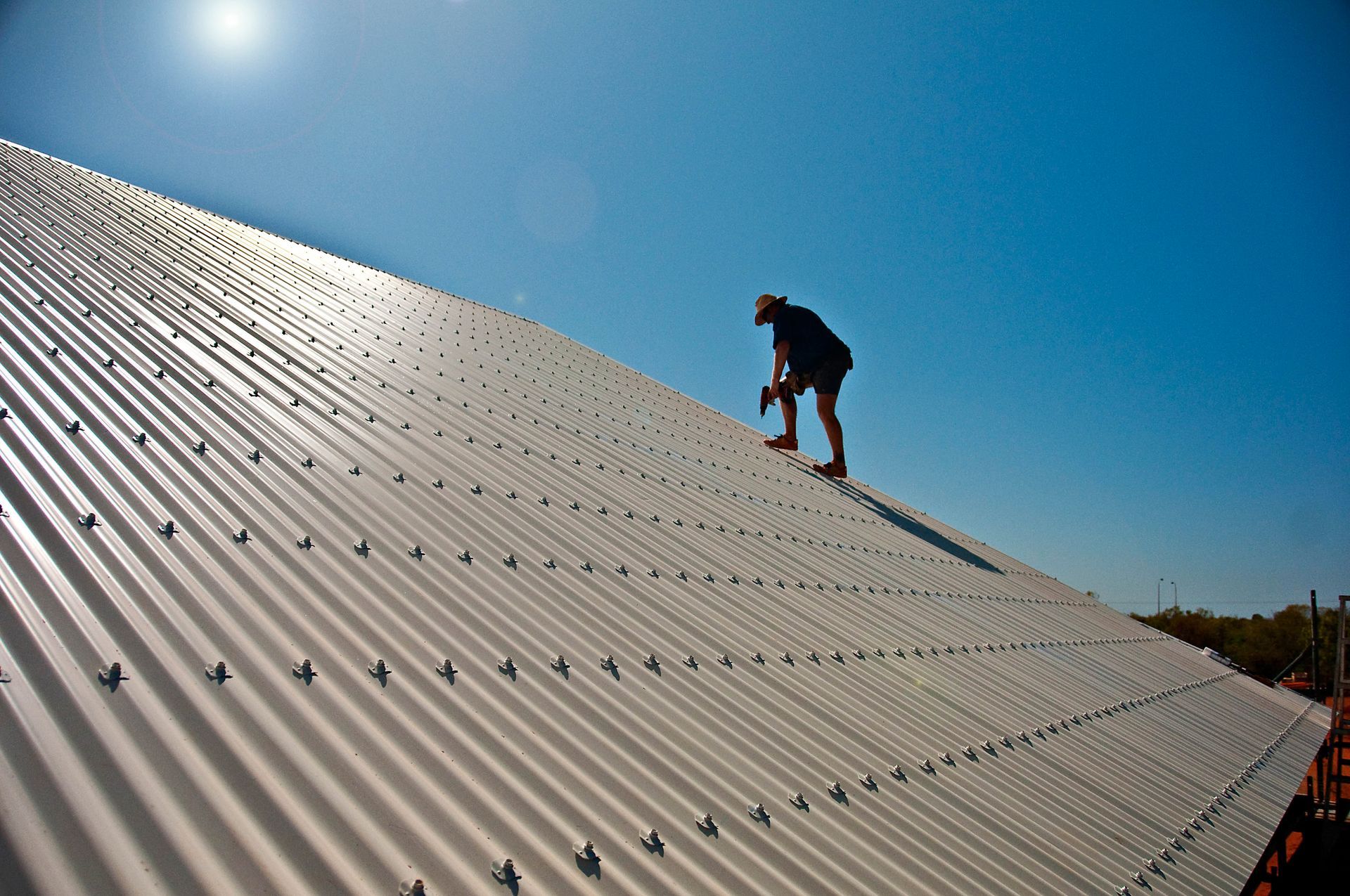
Metal roofing is known for its exceptional durability, often lasting between 40 and 70 years. It performs well in extreme weather conditions, including heavy snow, high winds, and hail, making it a strong choice for residential roofing.
Metal roofs reflect sunlight, which can help lower cooling costs. They are also available in various styles that mimic traditional materials, allowing homeowners to achieve different looks without sacrificing performance.
Another advantage is low maintenance. Metal roofing systems resist cracking, shrinking, and erosion, making them a long-lasting solution for residential roofing projects.
2.2 Challenges with Metal Roofing
The main drawback of metal roofing is its higher upfront cost. Installation requires specialized skills, which can increase labor expenses. Some homeowners are also concerned about noise during rain, although proper insulation usually resolves this issue.
In some cases, metal roofs may dent from heavy impacts, depending on the material used. Despite these concerns, many homeowners find that the long-term benefits outweigh the initial investment.
2.3 Cost Considerations
While metal roofing has a higher initial price, it often delivers long-term savings through reduced maintenance and energy efficiency. Many systems come with extended warranties, adding further value.
For residential roofing projects focused on longevity, metal can be a worthwhile investment despite the higher upfront cost.
2.4 Sustainability
Metal roofing is one of the most sustainable options in residential roofing. It is fully recyclable at the end of its lifespan and often contains recycled materials. Its energy efficiency also contributes to a lower environmental footprint.
3. Wood Shingles and Shakes
3.1 Benefits of Wood Roofing
Wood shingles and shakes offer a natural, timeless look that enhances many home styles. They provide excellent insulation, helping regulate indoor temperatures throughout the year.
According to This Old House, cedar shake roofs can last up to 50 years when correctly installed and maintained. This makes them a durable option when properly cared for in residential roofing applications.
Wood materials such as cedar are naturally resistant to insects and decay, adding to their appeal.
3.2 Drawbacks of Wood Roofing
Wood shingles require more maintenance than many other materials. Moisture can lead to mold or moss growth, especially in damp climates. Fire resistance is another concern, although treatments are available to improve safety.
They may also crack or split over time, requiring regular inspections and repairs. These factors make maintenance a key consideration in residential roofing decisions involving wood.
3.3 Cost and Longevity
Wood roofing tends to have a higher initial cost due to materials and installation complexity. However, its long lifespan and energy efficiency can provide value over time.
For homeowners prioritizing appearance and natural materials, wood can be a strong residential roofing option when maintenance is properly managed.
4. Clay and Concrete Tiles
4.1 Advantages of Tile Roofing
Clay and concrete tiles are among the most durable materials in residential roofing, often lasting over 100 years. They are highly resistant to fire and harsh weather, making them ideal for long-term performance.
These tiles also offer a distinctive appearance, commonly seen in Mediterranean and Southwestern-style homes. Their durability and minimal maintenance needs make them appealing to homeowners seeking longevity.
4.2 Disadvantages of Tile Roofing
The biggest drawback is cost. Tile roofing materials and installation can be expensive, and their weight may require additional structural support. This can limit their use in some residential roofing projects.
Tiles can also crack if walked on improperly, so maintenance must be handled carefully.
4.3 Long-Term Value
Although the upfront investment is high, tile roofing offers excellent long-term value due to its lifespan and durability. For homeowners planning to stay in their homes long-term, it can be a smart residential roofing choice.
Selecting the right material for residential roofing involves balancing cost, durability, maintenance, and aesthetics. Asphalt shingles provide affordability and versatility, while metal roofing offers durability and energy efficiency. Wood shingles bring natural beauty, and tile roofing delivers unmatched longevity.
Each option has its strengths, and the best choice depends on your specific needs and budget. By understanding these differences, homeowners can make informed decisions that protect their homes and enhance long-term value. Taking time to consult with experienced professionals and to compare multiple estimates can help ensure a successful residential roofing project that meets expectations. Proper installation and regular inspections will also help maximize the lifespan of any chosen material. For more information about what roofing material is right for your home, contact Legacy Contracting Group, Inc. Our team is ready to assist you!