April 8, 2026
As experienced local residential roofers, we will explore the critical decision between roof replacement and roof repair. Whether driven by aesthetic desires, practical needs, or impending damage, homeowners often face this choice. We'll help you understand the factors that contribute to making the best decision for your home. With significant investment involved in any roofing task, it's paramount to weigh your options carefully. By examining costs, longevity, and the impact of materials, this guide aims to equip you with the necessary knowledge to make an informed decision.
1. The Basics of Roof Replacement and Repair
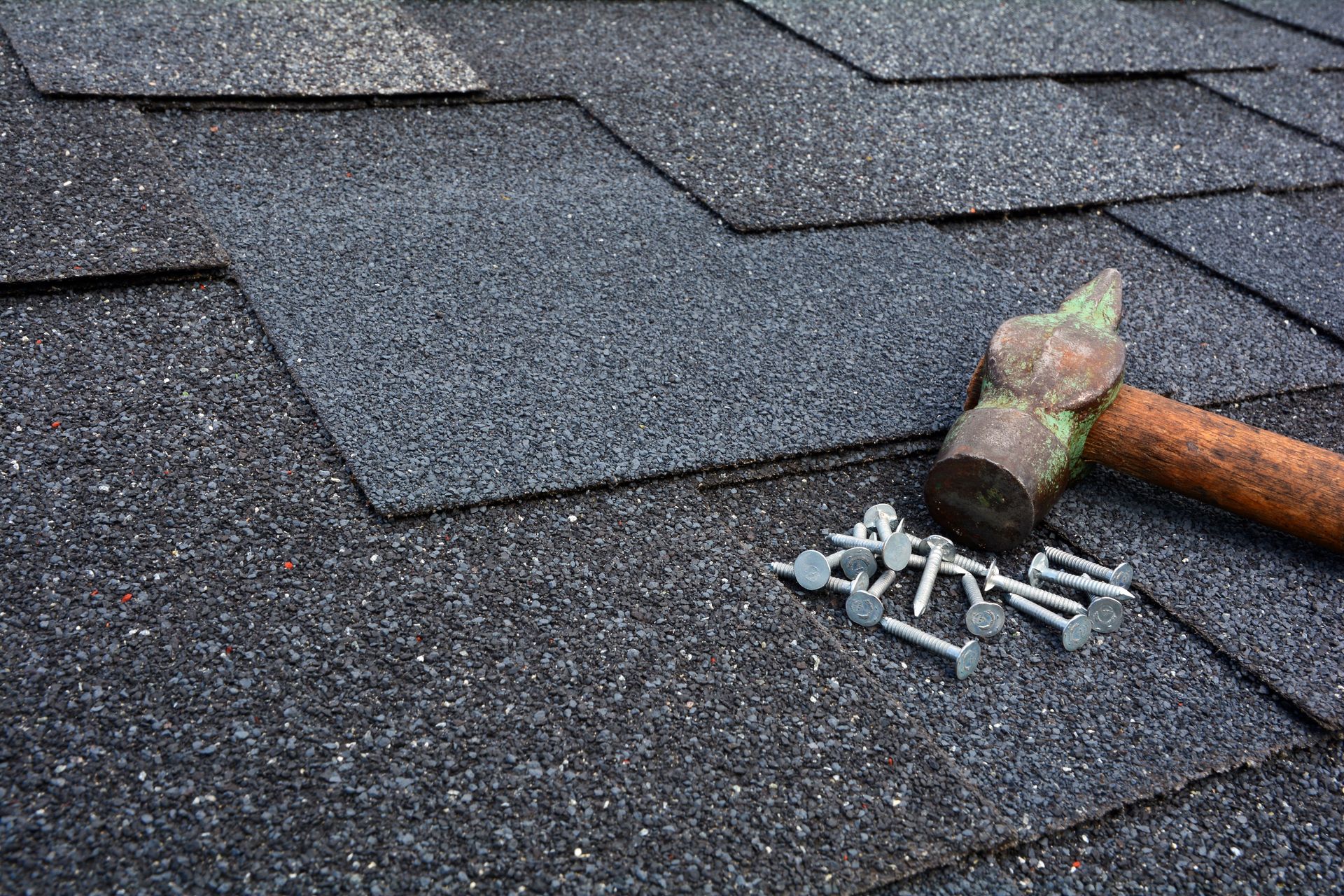
Roof repair involves fixing isolated issues on your roof, such as small leaks, missing shingles, or other minor damage. It's a cost-effective solution for extending the life of your existing roof, particularly when problems are not widespread. Repairing a roof can be a swift process, often concluded in a day or two, minimizing disruption to your daily life. The key benefit of opting for repairs is maintaining the structural integrity of your roof without incurring the full cost of a replacement. Ultimately, roof repairs can be a sustainable way to manage upkeep, addressing specific problems as they arise.
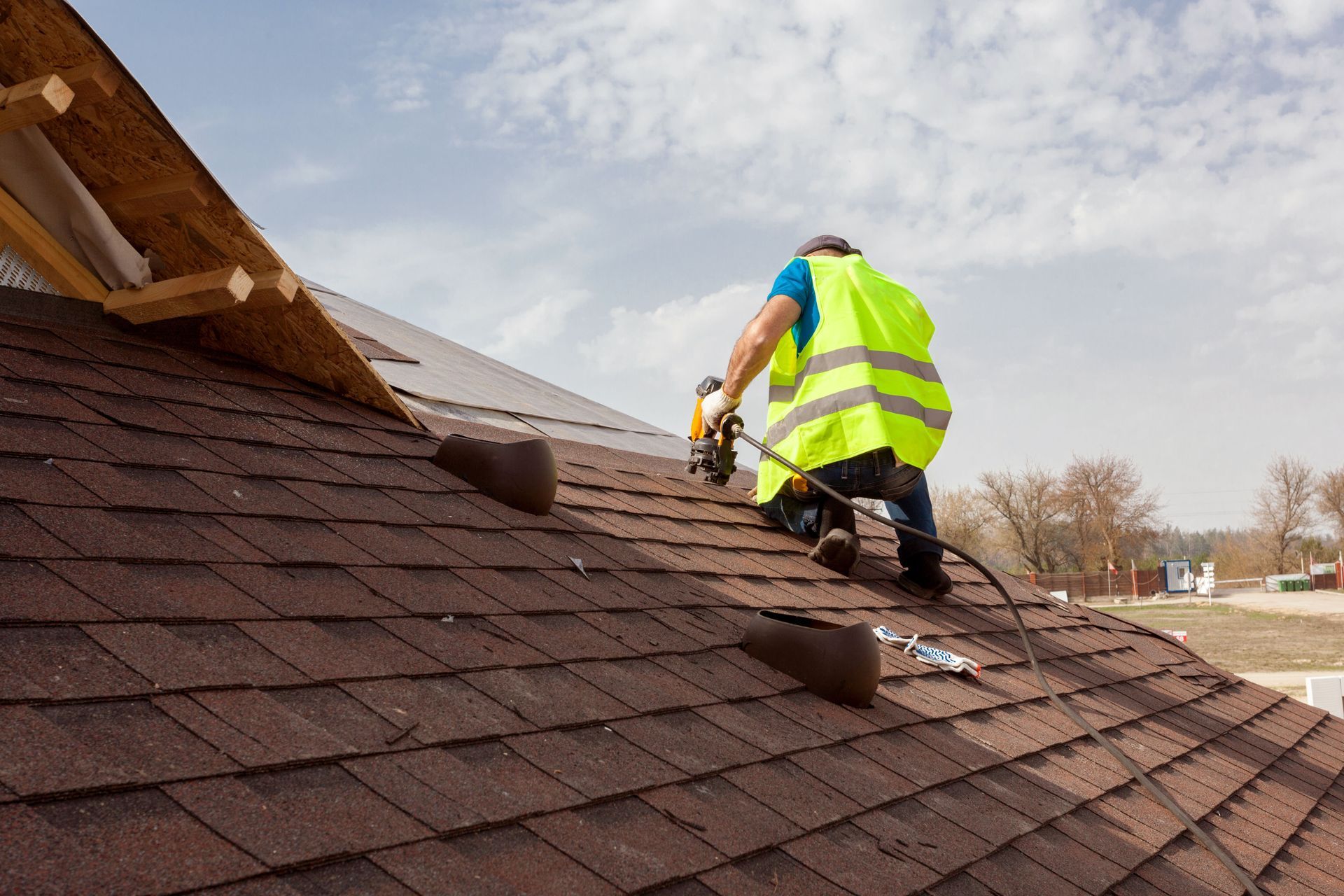
Roof replacement is a more comprehensive approach, involving the removal of the old roof and installation of a new one. This method is essential when the roof has reached the end of its lifespan or sustained significant damage across large areas. Although more expensive upfront, a new roof ensures the long-term protection of your home and increases energy efficiency. Replacement often provides peace of mind, as it mitigates the risk of recurring issues that frequent repairs might fail to address. Choosing roof replacement is often driven by factors like age, severe damage, and the need for updated roofing technology.
The immediate expense of roof repair is usually far less than a full replacement, offering a budget-friendly option for tackling pressing problems. However, frequent repairs can accumulate costs that may eventually surpass a single replacement project. In the long term, replacing a roof can be more cost-effective, avoiding the repeated expenses tied to constant repairs. It's crucial to evaluate both the short-term financial impact and the potential for savings and value over time. A thorough cost-benefit analysis is essential in determining the most financially sound decision for your situation.
The lifespan of a roof repair typically varies based on the severity of the issue and quality of work, but it's generally less extensive than a full replacement. Repairs may offer several years of added life, whereas a new roof can last between 20 and 50 years, depending on the material used. Opting for replacement generally ensures greater longevity and fewer maintenance worries, making it a preferred option for those seeking lasting security. According to This Old House, a roof should be replaced if over 30% of it has significant damage. This statement supports the replacement approach for severely damaged roofs.
2. When to Repair
Minor damage on a roof can often be rectified efficiently without necessitating full-scale replacement. Identifying small problems early—such as cracked or missing shingles, dislodged flashing, or minor leaks—allows for effective repairs. Timely interventions can prevent these issues from worsening and compromising the rest of the roofing system. Repairs targeting confined areas can be cost-effective and extend the life of the roof, staving off the need for replacement. It's essential to regularly inspect your roof or seek professional evaluations to catch and address minor damage promptly.
Determining the age and current condition of your roof is crucial in deciding between repair and replacement. Older roofs are more susceptible to damage and may lack the durability found in modern materials, potentially necessitating a replacement. Assessing the roof's overall health involves checking for signs of wear, evaluating material performance, and considering previous repairs. If the roof is still relatively new and structurally sound, repairs might be sufficient to handle any isolated issues. However, a comprehensive inspection is recommended to make informed decisions regarding maintenance and further investments.
It's important to consider the history of repairs and their success in prolonging the roof’s life. If past fixes have not adequately addressed problems or if issues arise soon after repairs, replacement might be more viable. Evaluating previous repair records can offer insights into recurring trends and potential weaknesses in the roofing structure. Frequent repairs not only add up financially but can also indicate underlying problems that mere patches cannot resolve. A thorough assessment of past performance will aid in deciding whether continued repairs or a new roof would offer a better outcome.
As experienced local residential roofers, we've found that local climate plays a significant role in determining the effectiveness of repairs and the necessity for replacements. Harsh weather conditions, such as heavy rainfall, strong winds, or severe temperatures, can exacerbate roofing problems. Repairs may be challenged by such environments, often requiring more frequent interventions to maintain protection and efficiency. Conversely, a replacement may offer superior resistance and resilience, with materials engineered to withstand local climatic influences. Understanding the impact of your region's weather on roofing performance is crucial in tailoring your decision between repair and replacement.
3. When Roof Replacement is the Best Option
When addressing extensive roof damage, replacement becomes a compelling option over repair. Large areas of missing or damaged shingles, compromised structural integrity, or water damage can signal the need for a new roof. In such cases, repairs may no longer suffice, as they cannot adequately address the scale or root cause of the problems. A full replacement ensures complete restoration, protecting the home from further damage and enhancing overall safety. Recognizing the signs of significant damage early helps in making proactive decisions to replace rather than continuously repair.
The age of your roof is a primary factor in determining the necessity for replacement. As roofing materials age, their effectiveness wanes due to prolonged exposure to weather conditions and wear. Typically, roofs older than 20 years may require replacement to ensure continued protection and efficiency. Repairing an aging roof might offer short-term solutions, but a replacement provides longevity and increased property value. Evaluating the age, coupled with present condition assessments, guides homeowners in determining the appropriate course of action.
Recurring repairs can indicate deeper issues that necessitate a roof replacement rather than repeated patchwork solutions. When repairs become frequent and ongoing, the costs and inconvenience associated may outweigh the benefits. Persisting problems are often a sign of chronic weaknesses in the roofing structure, suggesting the need for a more comprehensive approach. Investing in a roof replacement can offer lasting peace of mind, eliminating ongoing repair trauma and unpredictability. By opting for a replacement, homeowners secure a more durable solution to persistent roofing challenges.
4. Cost and Budget Considerations
The cost of roof repairs generally depends on the nature and extent of the damage that needs addressing. Basic repairs, such as replacing a few shingles or fixing a small leak, might be relatively inexpensive. However, complex issues may incur higher charges, especially if they require specialized materials or extensive work. Repair costs can add up over time, particularly with frequent interventions, potentially impacting a homeowner's budget negatively. Careful budgeting and planning are essential to manage repair expenses efficiently and prevent unexpected financial strain.
Roof replacements often represent a significant investment, with costs influenced by the size, complexity, and material choice. While more expensive upfront, the benefits of increased durability and benefits often justify the cost. Financing options, such as loans or payment plans, may be available to help manage the expense, spreading payments over time. A detailed cost breakdown should include labor, materials, permits, and potential disposal fees for the old roof. Careful planning, informed decisions, and exploring financing options ease the financial burden associated with roof replacement.
Choosing between roof repair and replacement requires balancing immediate expenses with potential savings over the long term. Repairs typically incur lower costs initially but might necessitate frequent spending as issues recur. Replacement, by contrast, carries higher upfront costs but can be more economical over time, reducing ongoing maintenance expenses. Performing a thorough financial analysis can clarify which option aligns best with budgetary constraints and goals. Factoring in the potential for long-term savings can guide homeowners toward the most financially sound decision. For
local residential roofers you can count on, contact Legacy Contracting Group, Inc. today.