February 6, 2026
Homeowners often focus on windows, appliances, and HVAC systems when trying to lower energy costs, yet the roof overhead quietly does some of the heaviest lifting. The right design, materials, and upkeep can dramatically influence how much heat enters or escapes a house throughout the year. That is why more people are paying closer attention to residential roofing services as part of a broader strategy to improve comfort, manage monthly utility bills, and reduce environmental impact. A well-planned roof does far more than keep rain out—it helps regulate indoor temperatures, supports insulation systems, and protects the structural integrity of the entire home. In areas like Washington County, OR, investing in energy-smart roofing solutions can pay off for decades.
1. Understand How Roof Design Controls Heat Flow
Roofs are one of the largest exposed surfaces on a home, which makes them a major factor in how heat moves in and out of living spaces. During summer months, sunlight beating down on shingles or panels can raise attic temperatures dramatically, forcing air conditioners to work harder. In winter, gaps, worn materials, or insufficient insulation allow warm air to escape, increasing heating demands. Smart roof design aims to slow these transfers by pairing reflective surfaces, proper ventilation, and airtight construction so indoor temperatures remain stable throughout the year.
A roof that manages heat effectively also reduces stress on HVAC systems. When heating and cooling equipment is not constantly cycling to compensate for temperature swings, it tends to last longer and require fewer repairs. According to This Old House, roofs that are 10 to 15 years old or younger and have only minor damage can often be repaired to extend their lifespan and avoid the high cost of a full replacement. Strategic repairs not only restore water resistance but can also reinforce insulation layers and protective barriers that keep conditioned air inside where it belongs.
2. Evaluate Energy-Saving Roofing Materials
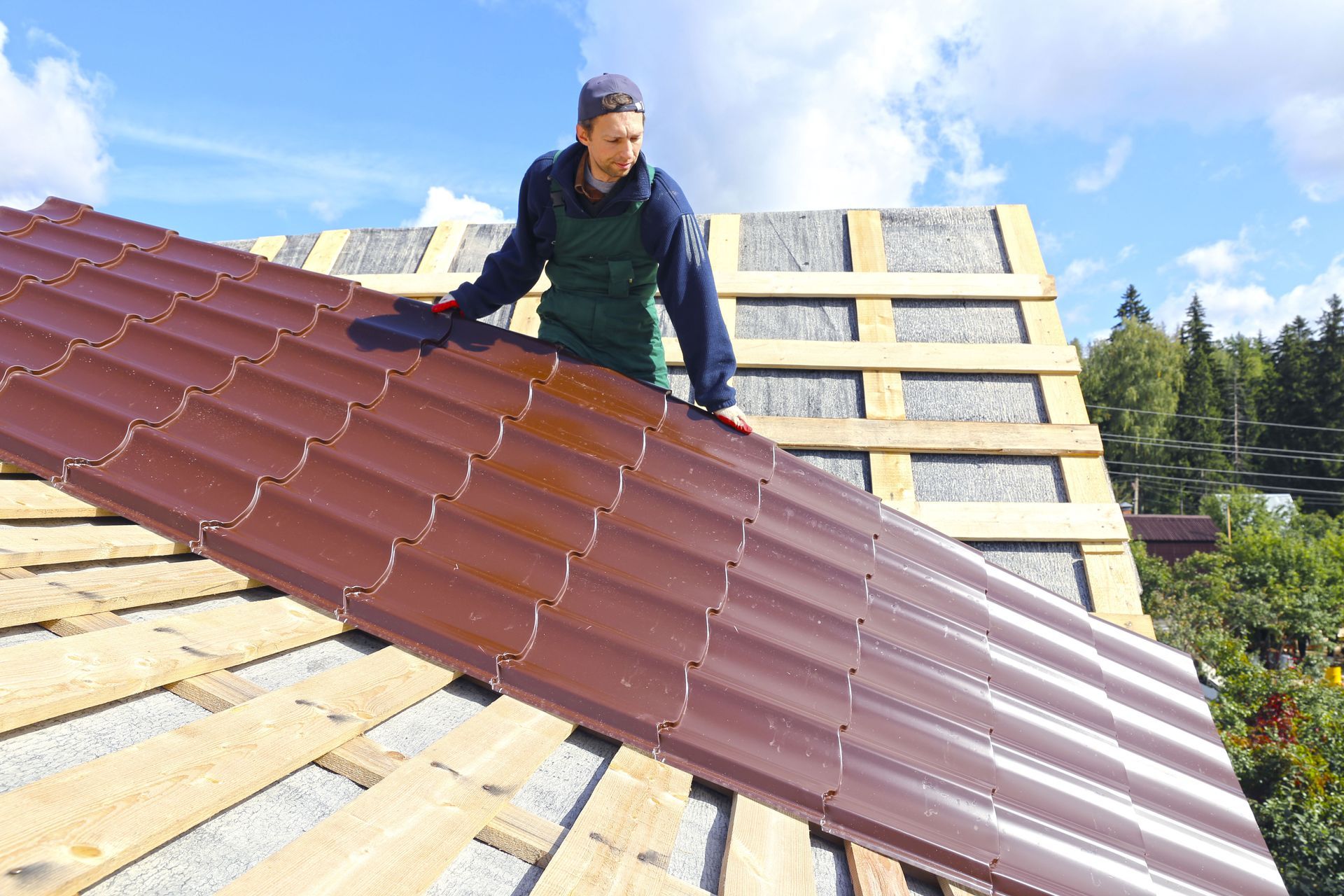
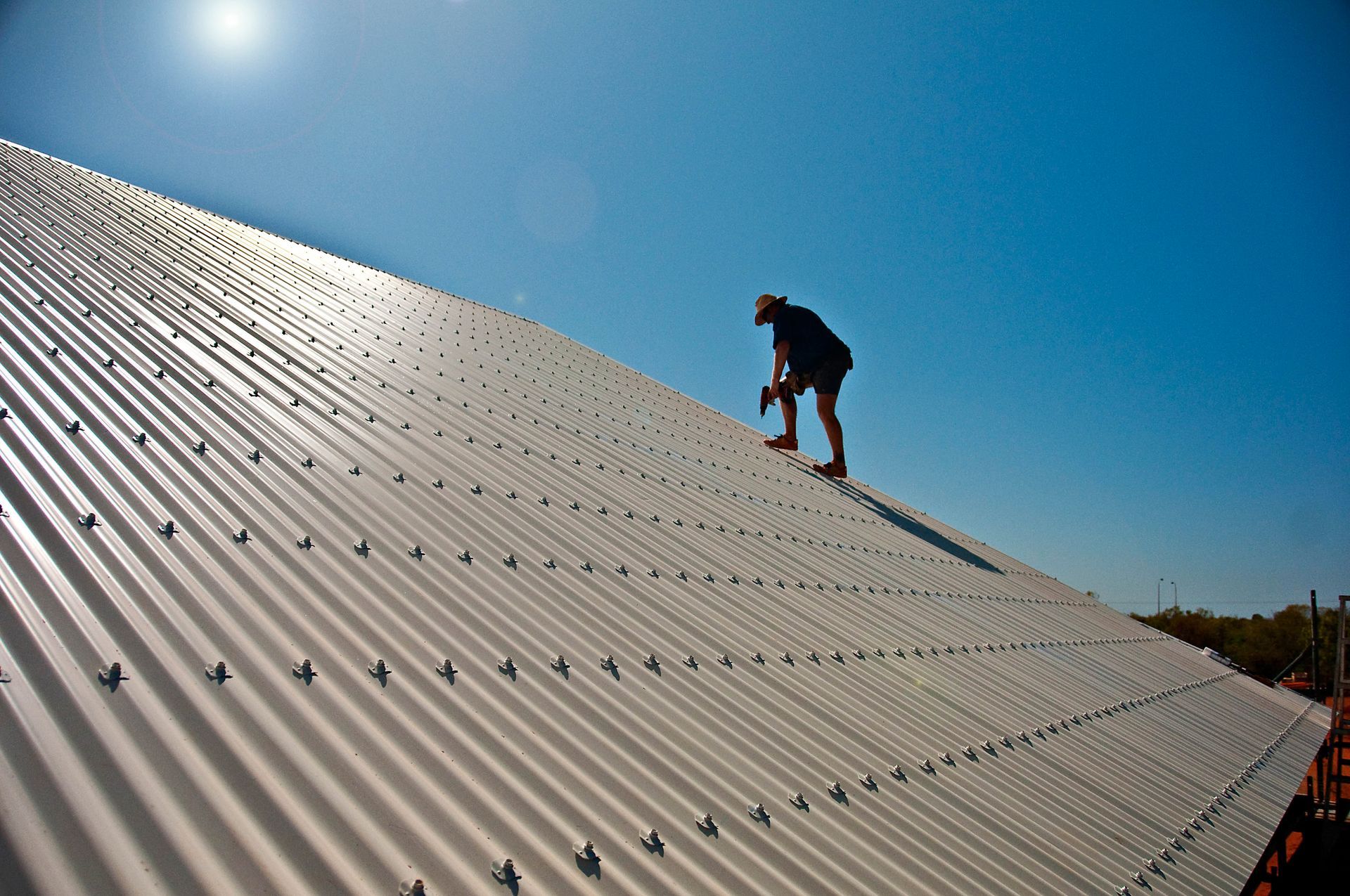
Material choice sits at the heart of an energy-efficient roofing system. Metal roofing is widely known for its reflective qualities, bouncing a large portion of solar radiation away from the structure instead of absorbing it. Many metal products are also recyclable and engineered with coatings that enhance emissivity, allowing them to release absorbed heat quickly after sunset.
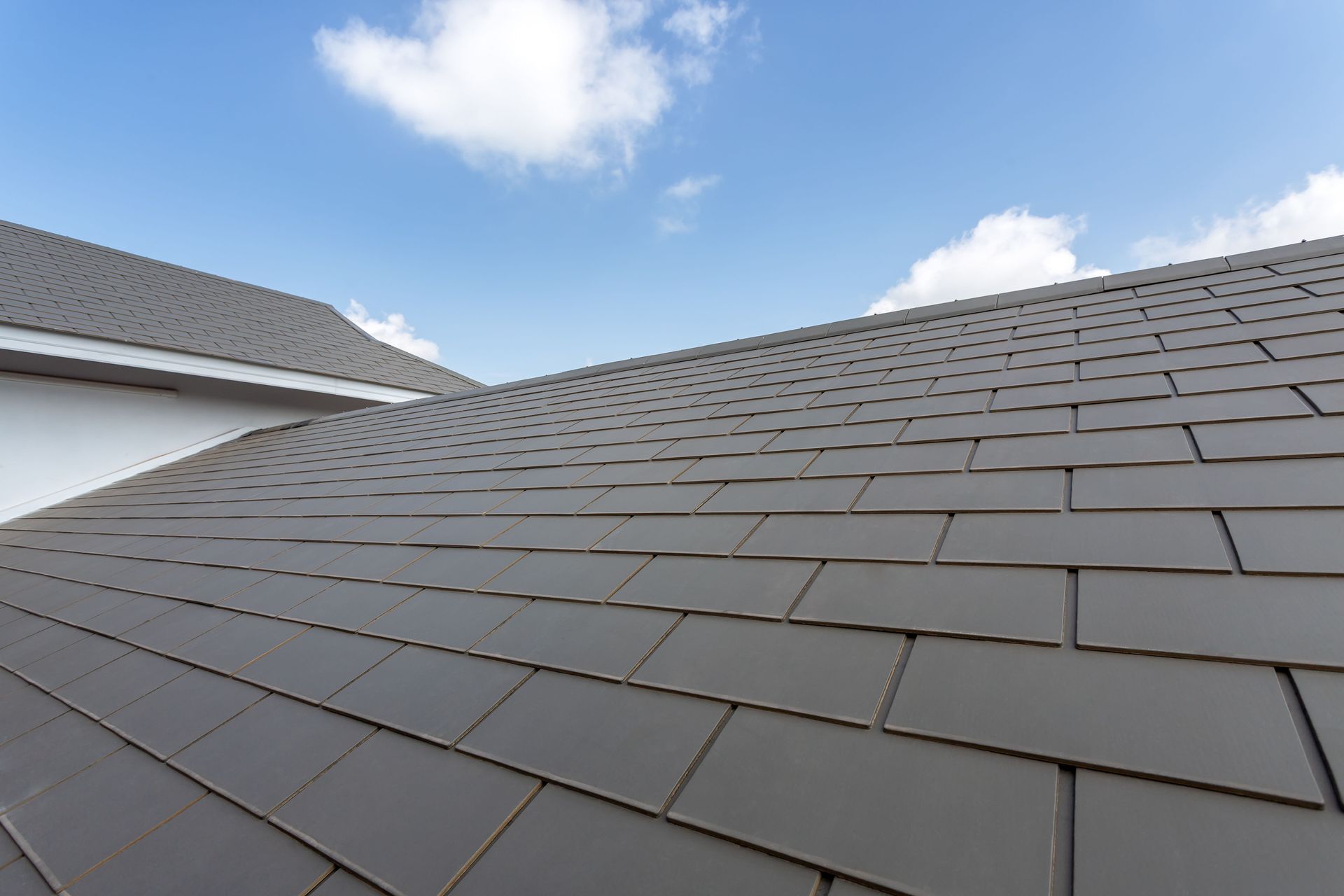
Wood shakes and shingles bring a natural appearance and moderate insulating value, though they typically require more maintenance and careful installation to reach comparable efficiency levels. No matter the material, workmanship is just as important as product selection. Even the most advanced roofing system can underperform if seams are not sealed correctly or underlayment is installed improperly. Understanding how each material behaves in different climates allows homeowners to make informed choices that align comfort, durability, and long-term energy savings.
3. Choose Colors That Reflect Or Retain Heat
Color might seem like a purely cosmetic decision, but it plays a measurable role in how much solar energy a roof absorbs. Light-colored surfaces reflect a higher percentage of sunlight, which can lower attic temperatures and reduce cooling costs during warm months. Darker colors, by contrast, soak up more heat and may provide modest benefits in colder climates by helping retain warmth through winter. Selecting the right tone requires balancing appearance with local weather patterns and seasonal energy demands.
Manufacturers often publish solar reflectance ratings that indicate how effectively a product deflects radiant heat. Higher numbers mean more energy is bounced away from the structure instead of transferred indoors. Many Energy Star-rated roofing products meet strict reflectivity standards, giving homeowners a simple benchmark when comparing options. Even incremental improvements in reflectance can translate into noticeable savings over the lifespan of a roof, particularly in sunny regions where cooling systems run for much of the year.
4. Install Systems With Professional Precision
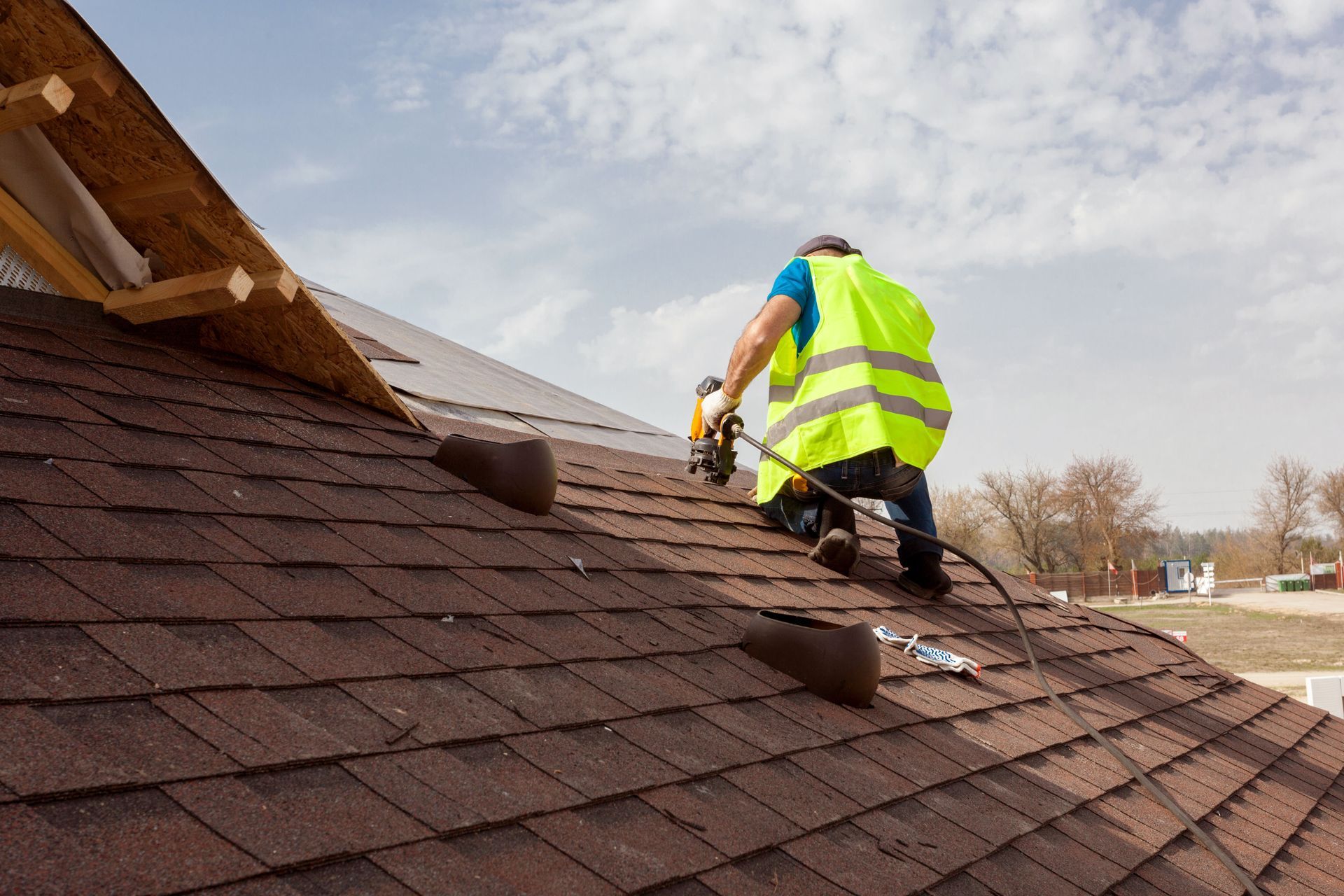
Installation quality often determines whether a roofing system lives up to its efficiency potential. Small mistakes—such as misaligned shingles, poorly sealed flashing, or compressed insulation—create pathways for air leakage and moisture intrusion that undermine performance. That is why homeowners turn to experienced crews and comprehensive residential roofing services to ensure every component works together as designed. Precision during installation protects warranties, prevents premature deterioration, and keeps conditioned air where it belongs.
Certified contractors follow manufacturer specifications for fastening patterns, ventilation placement, and underlayment application, all of which directly affect thermal regulation. They also know how to integrate gutters, siding transitions, and roof edges so the entire exterior envelope remains tight and weather-resistant. In regions that experience heavy rain or shifting temperatures, these details become even more critical to maintaining comfort and preventing long-term structural damage. Professional installers' experience allows them to evaluate each home’s layout and climate exposure, tailoring solutions that maximize return on investment. When done correctly, a professionally installed roof becomes a durable, energy-saving asset rather than a recurring source of repairs.
5. Maintain Roofs To Preserve Efficiency
Even the best roofing system needs ongoing care to keep operating at peak efficiency. Routine inspections help catch loose shingles, clogged gutters, or deteriorating sealants before they escalate into leaks and insulation failures. Homeowners who schedule periodic checkups through trusted residential roofing services often avoid sudden repair bills while keeping energy performance steady year after year. Maintenance protects both the surface materials and the layers beneath that regulate indoor temperatures.
A thorough maintenance plan usually includes examining flashing, underlayment, vents, and drainage systems to ensure water is directed away from the structure. Moisture trapped in insulation drastically reduces its effectiveness, leading to heat loss in winter and unwanted heat gain in summer. Addressing minor issues promptly preserves thermal barriers and supports consistent comfort across every season. Clearing debris, watching for signs of water staining, and ensuring attic vents remain unobstructed all help the roof perform as intended. When paired with professional evaluations, these small steps extend service life, postpone costly replacements, and maintain lower energy consumption over time.
6. Improve Performance With Insulation And Ventilation
Insulation and ventilation work hand in hand with roofing materials to form a complete energy-management system. Properly installed insulation slows heat transfer between indoor and outdoor spaces, keeping living areas warmer in winter and cooler in summer. Homeowners relying on comprehensive residential roofing services often combine roof upgrades with insulation improvements to achieve the biggest efficiency gains.
Ventilation ensures that trapped heat and moisture do not build up beneath the roof deck. Balanced intake and exhaust vents allow air to circulate naturally, reducing the risk of mold, wood rot, and premature shingle aging. In hot months, good airflow lowers attic temperatures and eases the burden on cooling systems. During winter, proper ventilation helps prevent ice dams by keeping roof surfaces closer to outdoor temperatures, protecting gutters and edges from freeze-thaw damage.
Energy-efficient roofing is about making smart decisions at every stage—from design and materials to installation and upkeep. Homeowners who prioritize quality workmanship, regular inspections, and timely repairs often see lower utility bills, longer roof lifespans, and improved indoor comfort. By investing in trusted residential roofing services, property owners can protect one of their most important assets while supporting sustainability goals at the same time.
For those in Washington County, OR, Legacy Contracting Group, Inc brings over two decades of hands-on experience to every project. We offer fully licensed and insured crews, financing options, and a full range of residential and commercial roofing, siding, and gutter solutions. If you are ready to enhance your home’s performance with dependable
residential roofing services, contact our team at Legacy Contracting Group, Inc today to schedule a consultation and take the first step toward a more efficient, durable roof.