May 29, 2026
Finding the right professional to handle the crowning feature of your home is a decision that carries significant weight. Your roof is the primary shield against the elements, protecting your family, your belongings, and the structural integrity of your entire property. When the time comes to repair or replace this critical component, the process can feel overwhelming due to the sheer volume of choices and the technical nature of the work involved. However, the difference between a seamless home improvement experience and a frustrating ordeal often comes down to the quality of the communication established before any shingles are removed. Engaging in a thorough dialogue with a potential residential roofer is the most effective way to vet their expertise and ensure your expectations align with their capabilities.
The consultation phase is your opportunity to peel back the layers of marketing and understand the operational reality of the crew you are hiring. It is not enough to simply look at a portfolio of finished projects; you must delve into the logistics, the safety protocols, and the long-term protections offered by the contractor. By preparing a targeted list of inquiries, you transform from a passive consumer into an informed advocate for your home. This proactive approach helps eliminate misunderstandings regarding costs, timelines, and the specific materials that will be utilized. In the following sections, we will explore the essential areas of inquiry that will help you identify a partner capable of delivering a durable and high-quality roofing solution.
Verify Professional Credentials
The first step in any vetting process involves confirming that the contractor is legally and professionally qualified to perform the work. You should begin by asking about their licensing status within your specific region. Proper licensing ensures that the individual or company has met the minimum requirements set by local or state authorities to operate within the construction industry. Beyond basic licensing, it is vital to inquire about insurance coverage. A reputable residential roofer should carry both general liability insurance and workers' compensation. Liability insurance protects your property in the event of accidental damage during the project, while workers' compensation ensures that you are not held responsible if a crew member suffers an injury while working on your premises.
Requesting physical copies of these certificates allows you to verify that the policies are current and provide adequate coverage limits. Furthermore, you should ask about any manufacturer certifications they might hold. Many major roofing material producers offer specialized training and certification programs for contractors. When a professional is certified by the manufacturer of the products they install, it often allows them to offer extended warranties that are not available to uncertified installers. This level of professional recognition serves as a testament to their commitment to staying updated on the latest installation techniques and industry standards.
Evaluate Previous Performance
Understanding a contractor's track record is essential for predicting the outcome of your own project. You should ask for a comprehensive list of references from projects completed within the past few years. Speaking directly with former clients provides invaluable insight into the contractor's punctuality, cleanliness, and communication style. Ask these references if the project was completed within the agreed-upon timeframe and if there were any unexpected costs that arose during the process. According to the U.S. Bureau of Labor Statistics, employment for roofers is expected to grow around 6% from 2023 to 2033, keeping pace with overall construction demand. This growth highlights the importance of choosing an established residential roofer who has a proven history of stability and customer satisfaction amidst a growing field of competitors.
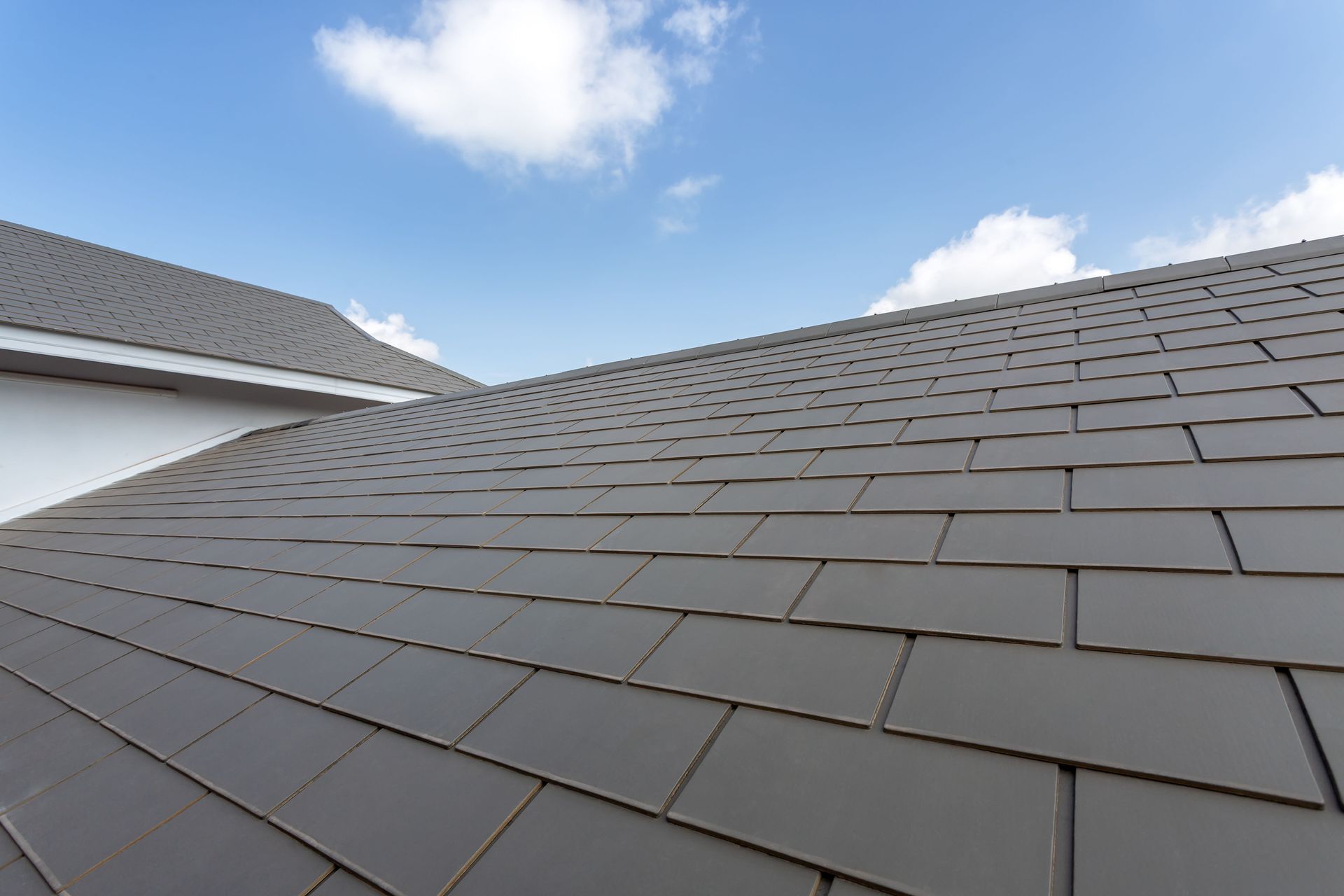
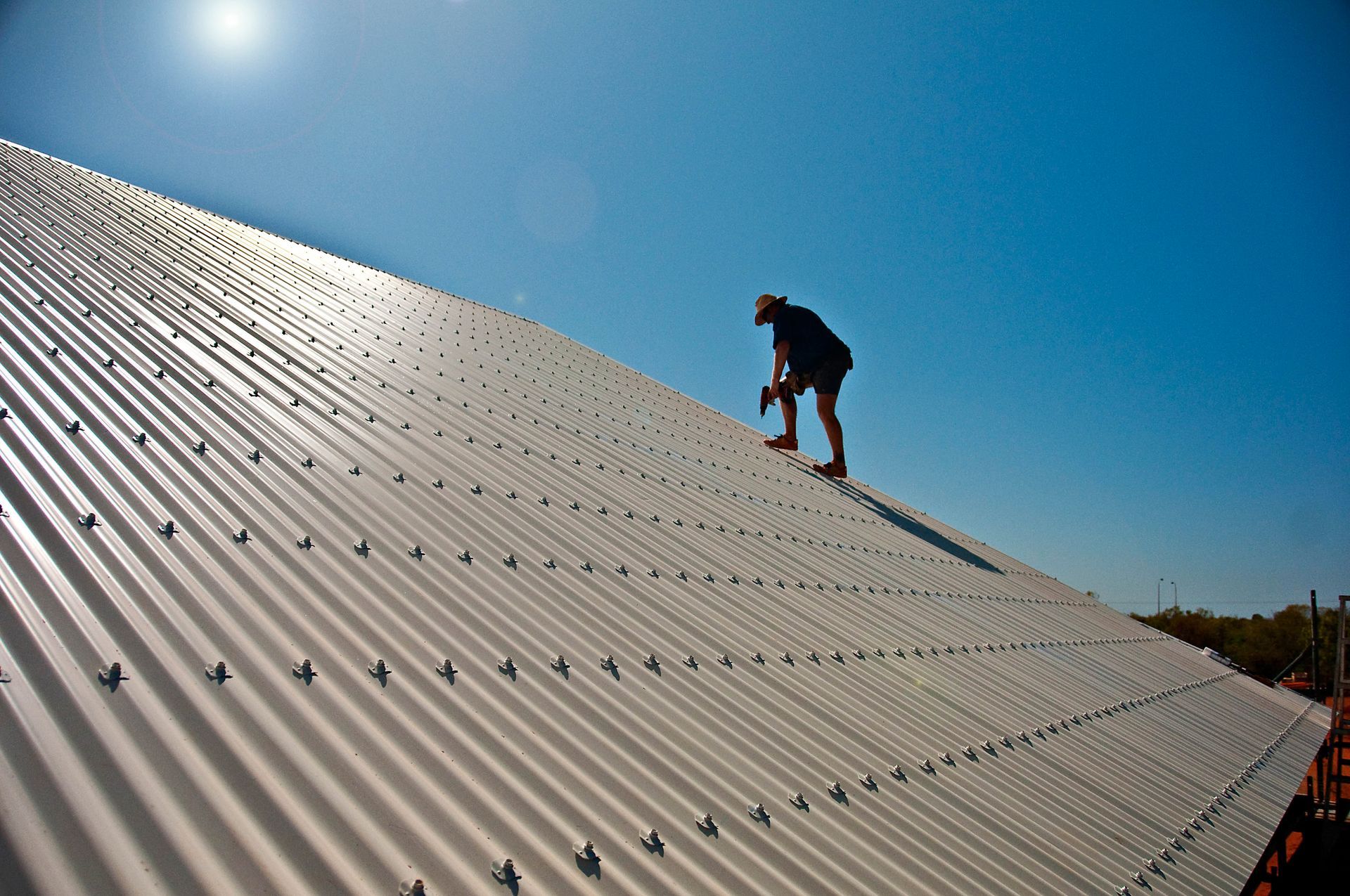
In addition to speaking with references, you should ask to see a portfolio of recent work that specifically mirrors the style and material of your own home. If you have a steep-slope roof or are interested in specialized materials like metal or slate, ensure the contractor has ample experience in those specific niches. A contractor who excels at basic asphalt shingle installation may not have the specialized tools or knowledge required for more complex architectural designs. Seeing evidence of their craftsmanship on similar homes will give you the confidence that they can handle the unique challenges of your specific structure.
Clarify Project Logistics
Once you are satisfied with the contractor's background, it is time to discuss the day-to-day operations of the job site. You should ask who will be on-site to supervise the work and serve as your primary point of contact. Clear communication channels are vital for resolving questions or concerns that may arise once the project is underway. Knowing whether the company uses its own dedicated employees or relies on subcontractors is also important. If they do use subcontractors, ask how long they have worked together and what steps are taken to ensure those workers adhere to the company's quality and safety standards.
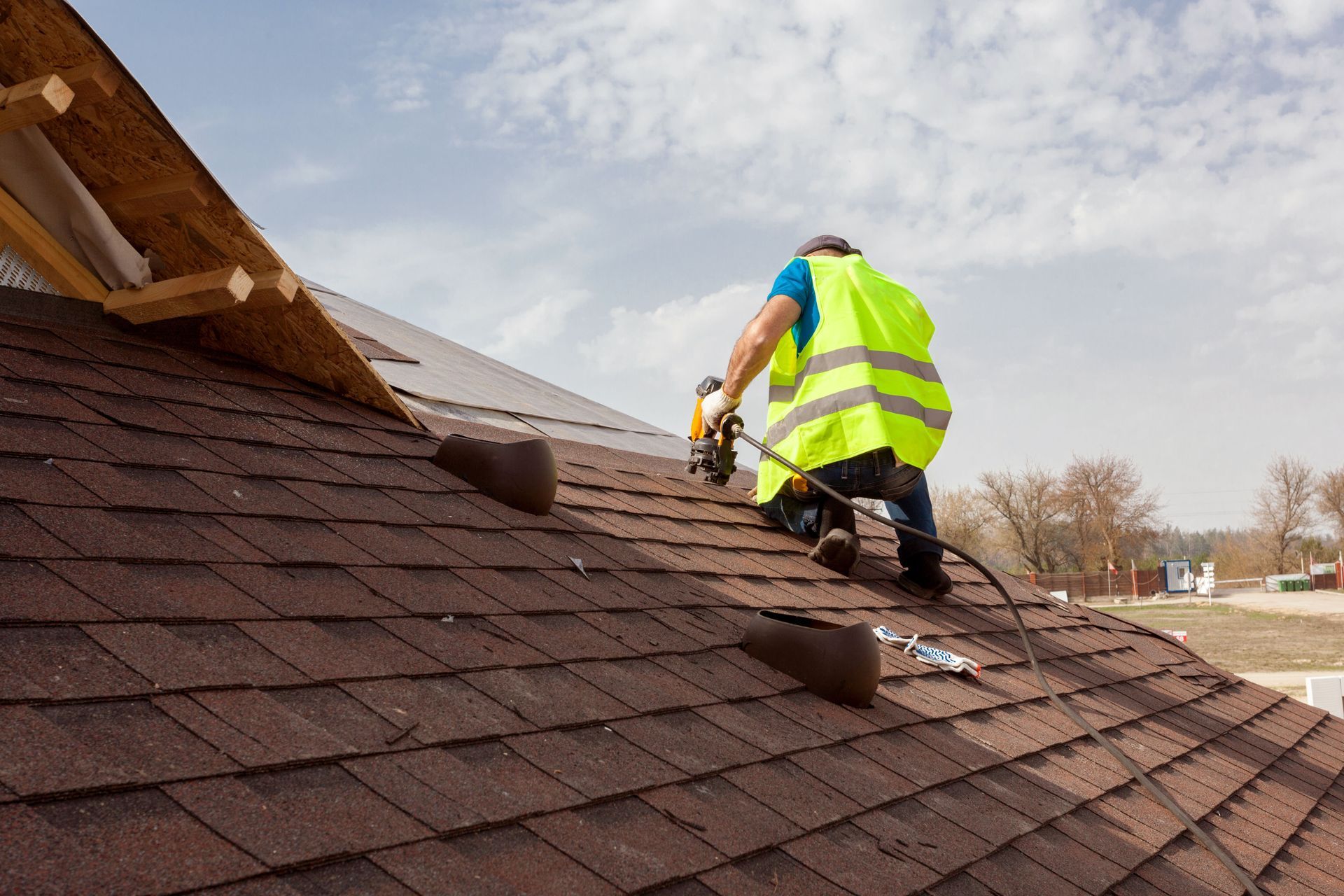
Another logistical concern involves the protection of your property during construction. Roofing is a messy process that involves heavy materials and thousands of nails. Ask the residential roofer how they plan to protect your landscaping, driveway, and windows from falling debris. Inquire about their daily cleanup routine and the methods they use to locate and remove stray nails from your lawn and walkways. A professional crew will have a clear plan for managing waste, typically involving the placement of a container in a location that minimizes disruption to your daily life while ensuring the site remains safe and organized throughout the duration of the project.
Discuss Financial Arrangements
Financial transparency is the cornerstone of a healthy professional relationship. You should ask for a detailed, written estimate that breaks down the costs for labor, materials, permits, and waste disposal. Understanding the payment schedule is equally important. It is standard practice for a residential roofer to require a deposit to secure a spot on the schedule and cover the initial cost of materials, but you should be cautious of anyone who asks for the full amount upfront. A common and fair arrangement involves a series of payments tied to specific project milestones, with the final balance due only after the work has been completed and inspected to your satisfaction.
You should also ask how the contractor handles unexpected repairs. Once the old roofing material is stripped away, it is possible to discover damaged wood or structural issues that were not visible during the initial inspection. Ask how these "change orders" are documented and billed. A reputable contractor will communicate these findings to you immediately and provide a written cost for the additional work before proceeding. Having a clear understanding of these financial protocols prevents unpleasant surprises when the final invoice arrives and ensures that the project stays as close to the original budget as possible.
The process of selecting a roofing professional should never be rushed. By asking these critical questions, you gain the clarity needed to make a choice based on facts and professional merit rather than just the lowest price. A new roof is more than just a home improvement project; it is a commitment to the future of your property. Taking the time to vet your contractor thoroughly ensures that this commitment is met with expertise, integrity, and a focus on lasting quality. When the work is done, you should feel confident that your home is prepared to stand strong against whatever the sky may bring.
We at Legacy Contracting Group, Inc are committed to providing the transparency and craftsmanship your home deserves, ensuring your roofing project is handled with the highest level of professionalism from the first question to the final inspection.